
My story.
Fifteen years ago, if someone told me that I would be a therapeutic yoga instructor, I would have been quite puzzled. Because, at that time in my journey, yoga — both its practice and instruction — was primarily about athleticism, strength, and flexibility. By that point, I had been practicing since I was 16, and I thought I knew all there was to know about yoga.
Goodness, was I wrong.
Everything came to an abrupt halt in 2019, when a head injury changed everything for me, both on and off the mat. I had to relearn the practice from the foundation up.
Literally.
Because oftentimes, all I could do was just lie facedown on my mat, discouraged beyond belief. But I kept at it, and over time, I began to tell myself, “At least I’m showing up.” And this fresh mindset began to shift my view of my practice and my teaching.
As I slowly taught myself the poses and the practice all over again, I learned the value of proprioception, body awareness, and, most importantly, self-acceptance.
I learned that I didn’t have to reach a certain point in my recovery to start practicing and teaching again; yoga was always with me, meeting me exactly where I was each day.
So, I began to study, certifying in anything that taught me the therapeutic effects of yoga. I embraced the study of yin, restorative yoga, and myofascial release, and their effects on the nervous system. I gained certifications in meditation, yoga nidra, yoga for burnout, lymphatic drainage, and more.
Over time, the practice of yoga changed from “how can I do yoga?” to “what can yoga do for me?” and then finally to “what can yoga do for others?”
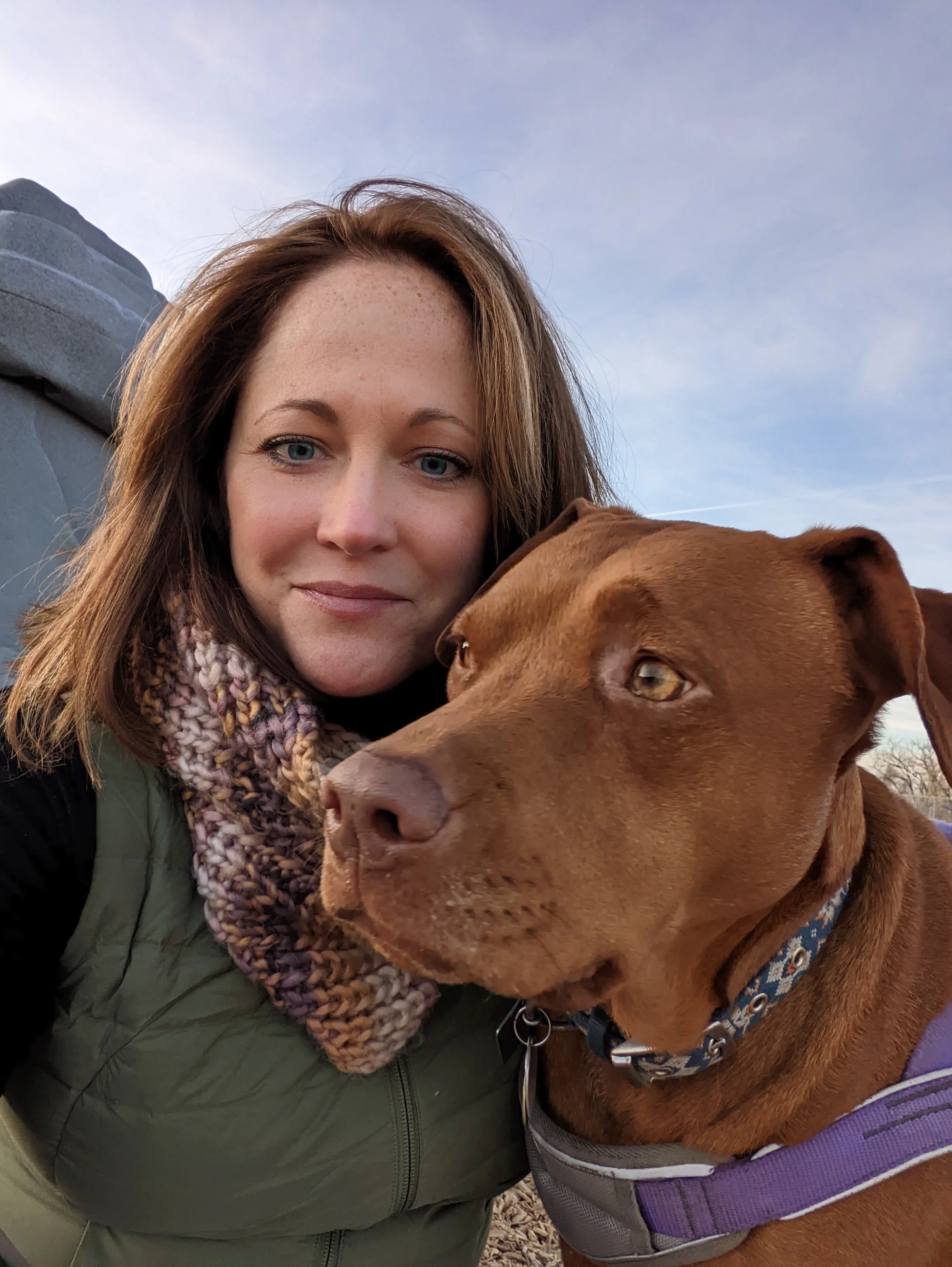
"True yoga is not about the shape of your body, but the shape of your life. Yoga is not to be performed; yoga is to be lived."
— Aadil Palkhivala
About Somatic Alignment Yoga.
Today, I am dedicated to sharing my knowledge and joy with others in a variety of formats. As humans, each of us is not only different, but we’re also constantly changing daily and throughout our lifetime. So, I know the value of adapting the practice to meet the needs of each person, which is why I work primarily through 1-1 sessions or small groups.
In my sessions, I pull from an array of modalities such as breathwork therapeutics, myofascial release, yin yoga, yoga nidra, and many others. My individualized approach tailors all of these modalities to address the unique needs of the client. Click on each yoga modality in the box to learn more.
Empowering the client is an essential component of my mission, which is why I teach the client skills that they can take home with them, to use both on and off the mat.
Therapeutic yoga is designed to support—not replace—medical or mental health care. So, for clients who are working with healthcare providers, my sessions are intended to complement (not replace) their existing treatment plan.
Regardless of the scenario, my guidance and support empower clients to take an active and informed role in their health.
-
Hatha yoga is slower-paced than Vinyasa flow yoga, making it accessible to all clients. It focuses on holding poses for longer periods to improve alignment and deep breathing. Hatha yoga offers comprehensive physical and mental benefits, including improved flexibility, increased strength, reduced stress, and better emotional regulation. By combining slow-paced, held postures (asanas) with breathing techniques (pranayama) and mindfulness, it enhances core strength, boosts bone density, and fosters mindful relaxation.
-
As humans, we have the unique ability to consciously tailor our breath to meet our needs in any given moment. When I work with clients, I teach them how to leverage specific breathwork therapeutic techniques (i.e., Pranayama) for emotional regulation, mental clarity, and overall wellness.
-
Myofascial release (MFR) can benefit the entire spectrum of well-being, from enhanced mobility, faster recovery, to better flexibility, and calming the nervous system. MFR can also influence pain perception, often reducing perceived pain levels to allow you to move with more confidence and ease. You’ll learn which MFR tools to use, where to use them, and how to leverage duration and intensity to help meet your health goals.
-
A wandering mind is an unhappy mind. Mindfulness is the link between all yoga modalities. It’s a practice, a skill, and a state of mind. Once you learn to master this trifecta, then it can be truly life-changing. Types of mindfulness practices I use with clients are: meditation (focused awareness and expansive awareness), mindful movement (yoga, tai chi, mindful walking), self-inquiry, gratitude, metta, and mindfulness in everyday activities.
-
Acupressure is a Traditional Chinese Medicine practice that involves the application of pressure (as with the thumbs or fingertips) to specific points on the body stimulated for therapeutic effects. Research shows that acupressure can improve sleep quality, emotional dysregulation, and cognitive function. It can also relieve pain, headaches, constipation, and other conditions to enhance the overall quality of life. Working directly with clients allows me to evaluate which acupressure points and techniques will benefit them the most, given their unique needs.
-
Yin may sound easy. All you do is stretch, right? It’s not quite that simple. Yin is a beautifully complex and evidence-based method of improving all aspects of our health. Besides their balancing effects on the nervous system, long-held yin stretches increase the hydration and strength of our connective tissues (tendons, ligaments, etc.). And when done correctly, yin poses have anti-inflammatory effects and purge toxins through increased lymphatic flow. When you work directly with me, you’ll learn how to use yin to “train” your body and nervous system into better health.
-
Did you know that you can use restorative practices to train your nervous system to be adaptive, responsive, and resilient, a trio which is key to preventing or treating conditions like burnout and chronic stress. There are many restorative tools you can use within a studio practice, and on your own at home or while traveling. Working together allows me to build restorative routines to nourish your nervous system both on and off the mat.
-
Yoga Nidra is an evidence-based practice that incorporates a systematic sequence of body awareness, breathing techniques, and visualization to guide the body from wakefulness to a deeply relaxed, hypnogogic state (transitional state between wakefulness and sleep). Research indicates that Yoga Nidra benefits mental health and well-being, sleep, the reproductive system, cognitive performance, creativity, and memory. It’s often used in clinical settings as an adjunct to symptom management for cancer and pain patients. As a certified Yoga Nidra Specialist, I can create tailored Yoga Nidra sessions to meet your health needs.